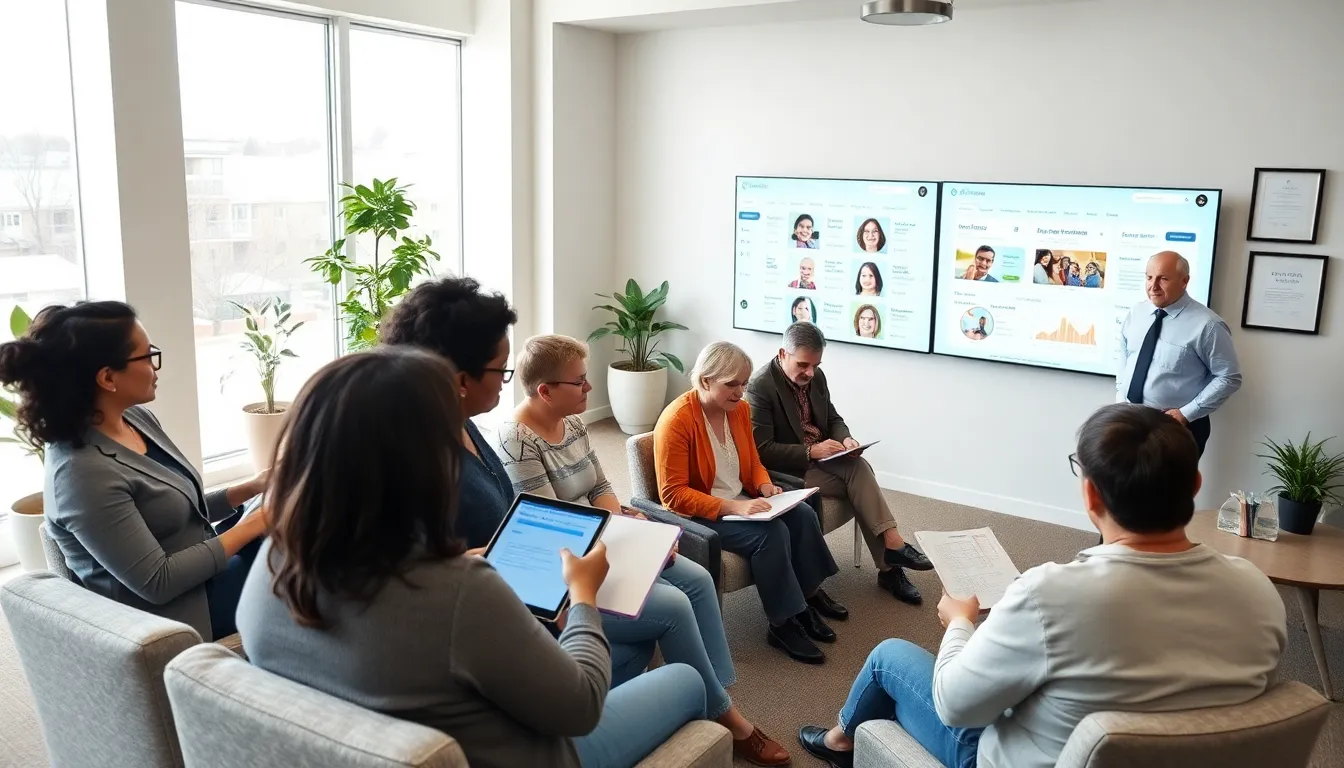
Adoption and fostering trends in 2026 are shifting faster than many families realize. New policies, technology advances, and changing family demographics are reshaping how children find permanent homes. Whether you’re a prospective parent, a social worker, or simply curious about the foster care system, understanding these trends matters. This article breaks down the key changes driving adoption and fostering in 2026, from who’s adopting to how agencies match families with children.
Table of Contents
ToggleKey Takeaways
- Adoption and fostering trends in 2026 show growing diversity in families, with single parents, same-sex couples, and older adults representing larger shares of placements.
- AI-powered matching systems and digital platforms are speeding up the adoption process while improving compatibility between children and families.
- Policy changes like the Family First Prevention Services Act are reducing foster care entries while increasing support for kinship care and post-adoption subsidies.
- Trauma-informed care is now standard practice, with expanded training and post-placement services helping families navigate challenges long after finalization.
- Sibling placements and open adoptions are priorities in 2026, as research confirms these approaches improve outcomes for children in care.
- Technology enables virtual home studies, online training, and 24/7 digital support apps, making adoption and fostering more accessible for families nationwide.
Shifting Demographics in Adoptive and Foster Families
The profile of adoptive and foster families continues to change in 2026. Single parents now represent a growing share of adoptions, making up nearly 30% of all placements according to recent child welfare data. This shift reflects broader acceptance of non-traditional family structures.
Same-sex couples are also adopting at higher rates than ever before. Legal protections in most states have removed barriers that once limited LGBTQ+ families from participating in the foster care system. Many agencies actively recruit these families to address the ongoing shortage of foster homes.
Age demographics are shifting too. More adults in their 40s and 50s are pursuing adoption and fostering. Empty nesters and career-established professionals often bring financial stability and life experience to the process. Agencies have responded by adjusting their requirements and outreach strategies.
Kinship care, where relatives take in children, remains a major component of foster placements. Grandparents, aunts, uncles, and older siblings frequently step in when parents can’t care for their children. States have increased financial support for kinship caregivers, recognizing that these placements often produce better outcomes for kids.
Transracial and international adoptions present a more complex picture. Domestic transracial adoptions continue, though agencies place greater emphasis on cultural competency training for families. International adoption numbers remain lower than their 2004 peak, with stricter regulations in sending countries limiting options for American families.
The Growing Role of Technology in Matching and Support
Technology is changing how adoption and fostering work at every stage. In 2026, digital platforms play a central role in connecting waiting children with prospective families.
AI-powered matching systems now help caseworkers identify compatible family-child pairings. These tools analyze factors like family preferences, child needs, geographic location, and sibling group requirements. The result? Faster matches and potentially better long-term outcomes. Several states have piloted these systems with promising early results.
Virtual home studies gained traction during the pandemic and haven’t gone away. Many agencies now offer hybrid assessments that combine video interviews with in-person visits. This approach speeds up the approval process and reduces costs for families in rural areas.
Online training modules have expanded access to foster parent education. Families can complete pre-service training, trauma education, and specialized courses from home. This flexibility helps working parents and those with existing children manage the certification process.
Post-placement support has gone digital too. Apps connect foster and adoptive parents with peer mentors, therapists, and crisis support around the clock. Some platforms offer video counseling sessions specifically designed for adoptive families dealing with attachment issues or behavioral challenges.
Social media continues to play a controversial but significant role. Photo listings and “adoption advocacy” profiles help waiting children find families, though privacy concerns remain. Agencies are developing stricter guidelines to protect children’s identities while still using digital tools for outreach.
Policy Changes Shaping the Adoption and Foster Care Landscape
Federal and state policies are reshaping adoption and fostering trends in 2026. The Family First Prevention Services Act, fully implemented now, redirects funding toward keeping families together when safe. This means fewer children entering foster care, but those who do often have more significant needs.
Subsidies for adoptive families have increased in many states. Monthly payments and medical coverage continue after finalization, reducing the financial burden on families who adopt children with special needs. These incentives matter: cost remains a barrier for many prospective parents.
Age-out policies are getting attention too. Several states have extended foster care support to age 21 or beyond. Young adults can access housing assistance, educational funding, and mentorship programs that improve their chances of successful independence.
Licensing requirements vary widely by state, but 2026 shows a trend toward streamlining. Some states have reduced paperwork and shortened timelines without compromising child safety standards. The goal is removing unnecessary obstacles that discourage qualified families from fostering.
Tribal sovereignty in child welfare cases continues to shape policy discussions. The Indian Child Welfare Act remains in effect, and courts have reinforced protections for Native American children. Agencies must work closely with tribal authorities on placements involving Indigenous kids.
Immigration policies affect international adoption trends. Visa processing and Hague Convention compliance create delays for families adopting from abroad. Some countries have paused or restricted adoptions to the United States entirely.
Increased Focus on Trauma-Informed Care and Post-Placement Services
Trauma-informed care has become standard practice in adoption and fostering. Agencies recognize that most children in care have experienced adversity, abuse, neglect, multiple placements, or loss. Training now prepares families to respond effectively.
Pre-adoption education covers topics like developmental trauma, attachment disorders, and therapeutic parenting techniques. Families learn practical strategies: how to handle meltdowns, build trust gradually, and create predictable routines. This preparation reduces placement disruptions.
Post-placement support receives more attention and funding in 2026. Studies show that adoptive families need ongoing resources, sometimes for years after finalization. Therapy, respite care, and support groups help families navigate challenges as children grow.
Schools are becoming partners in trauma-informed approaches. Teachers and counselors receive training on how foster and adopted children may behave differently in classroom settings. Some districts assign liaisons who coordinate between schools and child welfare agencies.
Sibling placement has emerged as a priority. Research consistently shows that keeping siblings together improves outcomes. Agencies actively recruit families willing to take sibling groups, and policies discourage separating brothers and sisters without compelling reasons.
Birth parent connections are handled differently now too. Open adoptions, where birth parents maintain some contact, have become more common. Many experts believe these arrangements benefit children’s identity development, though each situation requires careful consideration.